

Social Networking Fatigue (1): The Illusion of "Total Presence" at International Trade Fairs... Are
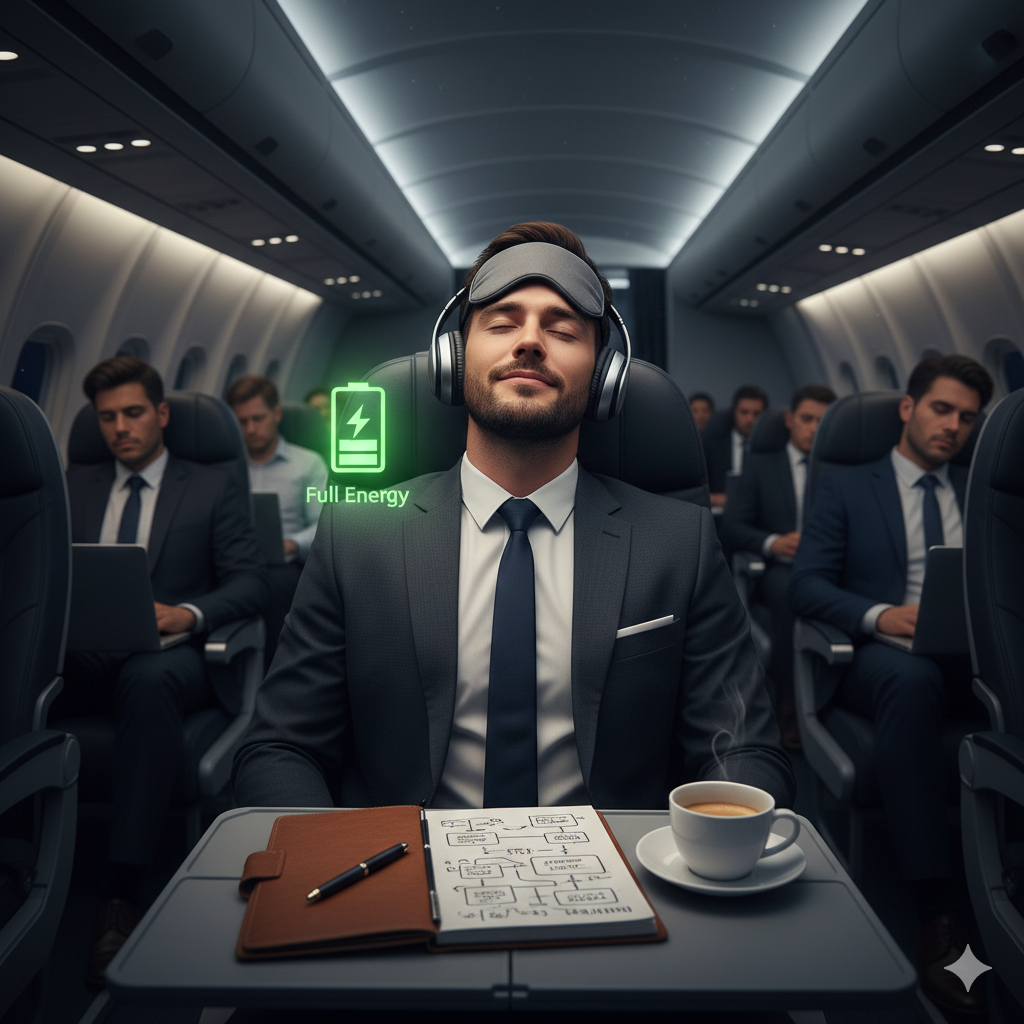
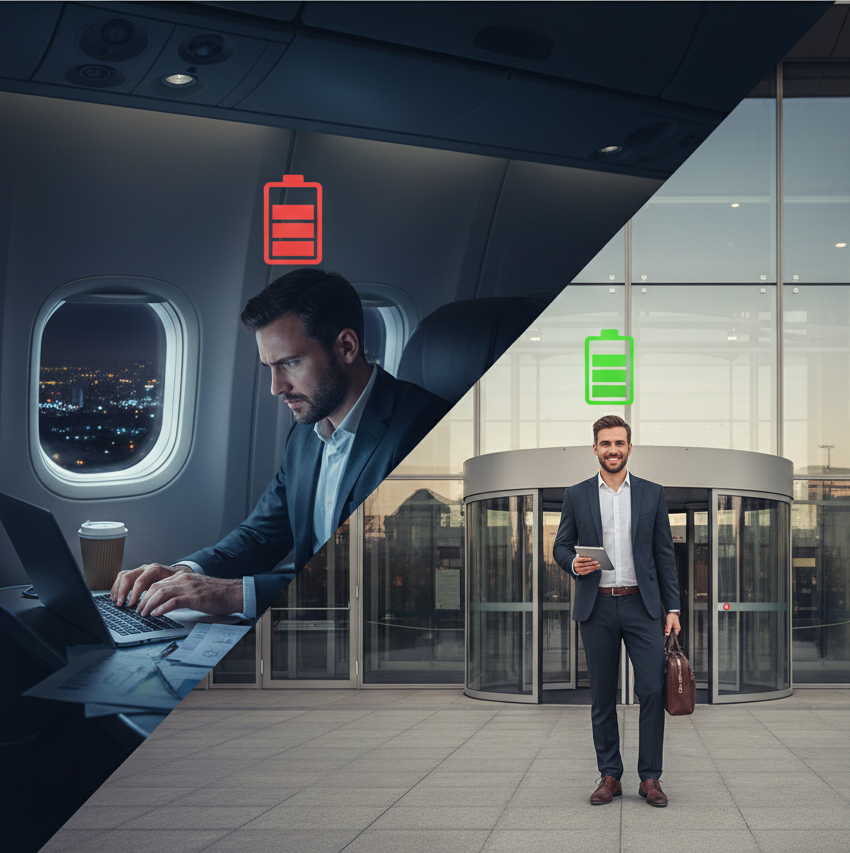
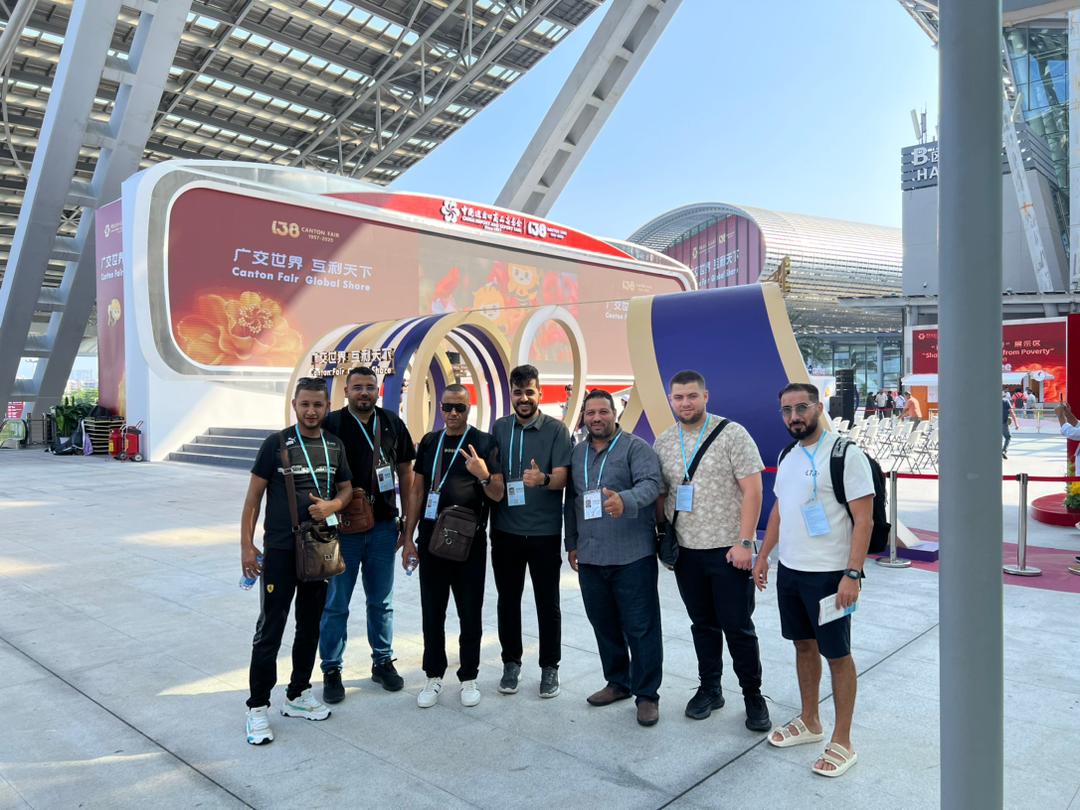
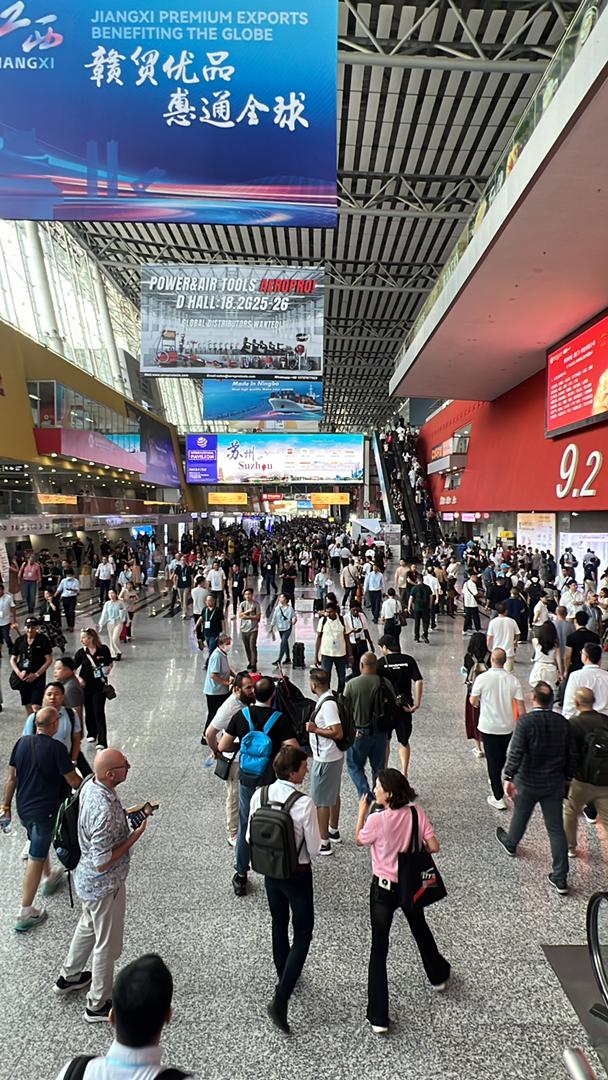
The Illusion of "Total Presence" at International Trade Fairs... Are You Killing Your Deals with Exhaustion? In the aisles of global trade hubs like Guangzhou, Istanbul, or Frankfurt, many traders fall into the "social race" trap. The journey begins with high enthusiasm but often ends by the third day with physical and mental exhaustion that makes "decision-making" a heavy burden. What is the Illusion of "Total Presence" (Omnipresence Delusion)? It is the prevailing belief that a trader's success at international exhibitions is measured by their appearance at every social gathering. There is a felt need to attend the opening ceremony, followed by a business lunch, then a cocktail party for organizers, and concluding with a late dinner with a trade delegation. This pattern is not networking as much as it is "strategic distraction." Intensive attendance without a specific goal consumes the "focus credit" you need at the core of your business. 1. The Psychology of FOMO and Its Impact on Decision Quality The Fear of Missing Out (FOMO) drives traders to accept random dinner invitations simply out of apprehension that a competitor might be there or that an opportunity "might" be missed. How does this affect your business? Human memory and analytical capacity have a limited daily "bandwidth." When you consume your mental energy in side talks and pleasantries until late at night, you enter the next day in a state of "decision fog." The Impact: When it is time to sign an exclusive agency contract or negotiate complex shipping terms the next morning, you will find your mind seeking rest rather than scrutinizing legal or technical loopholes. 2. The Operational Cost of Social Exhaustion (ROI) If we analyze this in terms of numbers and investment: Value of Time: Considering the costs of flights, hotels, and participation fees, one hour of work at the exhibition represents a huge investment. Spending 4 hours at a general social dinner is a drain on the trip's budget without a tangible return. Depletion: Staying up late at general networking events reduces mental efficiency the next day by up to 40%. This exhaustion might lead you to agree to a higher price or overlook a product sample defect just because you want to end the meeting and rest. The Result: You pay for your "social" presence with the quality of your "business" decisions. A physically exhausted person is always the weaker negotiator in front of a supplier at full energy. 3. The 80/20 Rule: Choosing the Winning 20% In massive exhibitions like the Canton Fair, side events are overwhelming. The rule says that only 20% of the people hold the keys to the deals that matter to you. The Smart Strategy: Instead of trying to shake everyone's hand, identify the top 5 suppliers or partners who represent the weight of your future business. These are the only ones worth investing your time with "outside exhibition hours." The Advantage of Private Meetings: In large receptions, conversation is superficial and constantly interrupted. In a quiet session (like a private invitation for tea or coffee), you can dive into manufacturing details, delivery schedules, and special discounts that cannot be discussed in public. 4. How Suppliers Perceive the "Staid/Sober" Trader "Sobriety" (Al-Rasana) is the balance and seriousness that gives an impression of power. Large factories and companies look for a stable and professional partner, not a "commercial tourist." When a supplier sees you at every event and in every photo, it may send an indirect negative message that you: Lack a clear agenda and priorities: A trader with real work usually doesn't have time to be everywhere. Care more about appearances than substance: Professionalism requires your time to be precious and focused on your deals. Are susceptible to pressure: A smart supplier knows an exhausted trader will concede faster on contract terms, so sobriety and being well-rested make you appear tougher in negotiations. How to Escape the "Total Presence" Trap? (Practical Steps) The "Goal First" Rule: Before accepting any invitation, ask yourself: "If I don't go, will my business actually suffer?" If the answer is no, decline politely. Invitation Filtering: Categorize events into (Critical: involves a decision-maker - Secondary: for information only - Non-beneficial: general parties). The 10 PM Law: Commit to a maximum time to return to the hotel. This time is not just for sleep, but for reviewing the day's notes and organizing tomorrow's thoughts in peace.
Read More